
What Safety Steps Do Technicians Take That DIYers Miss?
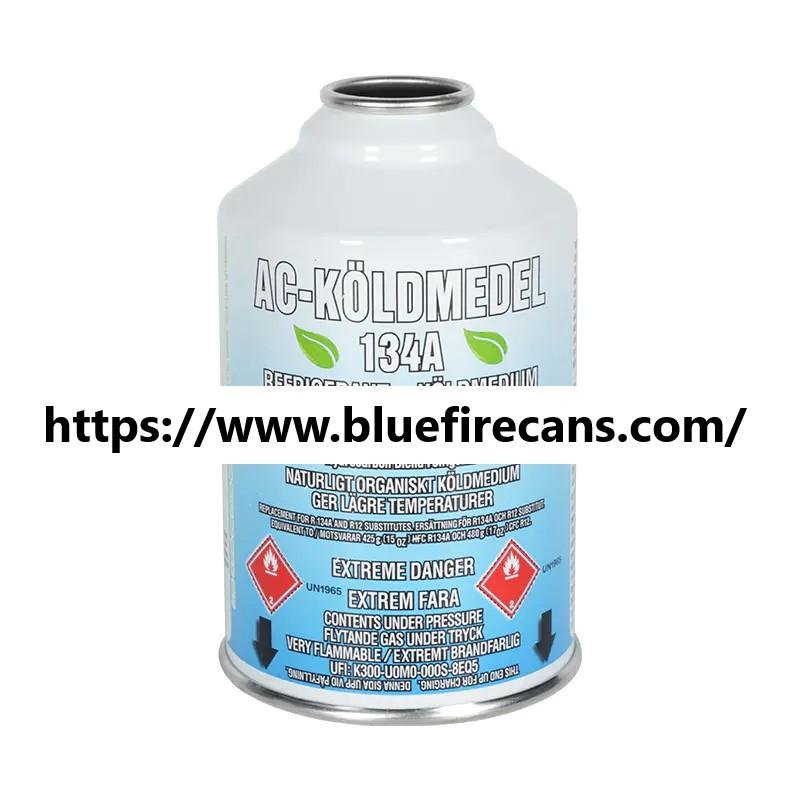
When service technicians discuss safe supply choices for occupied spaces, the Bluefire Refrigerant Gas Can often comes to mind because it is marketed for secure containment and consistent dispensing in professional settings. Professionals treat refrigerants as controlled materials that require a different approach from typical household products. Their methods reflect responsibility for occupant safety and regulatory compliance as well as attention to equipment longevity and environmental pathways.
A key distinction between a trained technician and a casual do it yourself enthusiast is how refrigerants are handled before they touch a system. Professionals use recovery equipment and follow recovery procedures rather than venting or transferring freehand. This practice reduces the chance of accidental releases and keeps material available for proper recycling or reclamation under existing frameworks. The legal and operational context around refrigerant recovery is a reason many service calls are handled by credentialed contractors.
Safety around pressurized containers is another factor that informs professional practice. Refrigerant in liquid form can cause severe cold burns on contact with skin and can displace breathable air in confined areas. Technicians rely on personal protective equipment and safe handling protocols to manage these risks while working in varied environments. Handling tools and container interfaces used by professionals are designed to limit exposure and to reduce the chance of leaks during attachment and detachment.
Beyond safety, professionals bring experience that affects how a service is scoped. They diagnose systems with a view toward long term performance rather than a single quick top up. That means they check for leaks contamination and the suitability of the composition being added to a system. In professional hands the product in a can is only one part of a broader diagnostic and service process which considers overall system condition and the appropriate corrective steps.
Container design and certification also matter to field technicians. Some high pressure containers are produced as seamless two piece bodies to improve structural integrity. Manufacturers advertise features such as pressure resistance and compatibility with specific gas types while offering OEM options to match supply chain needs. Field technicians prefer containers and supply chains that provide predictable fit with service equipment and clear labeling for safe use.
There are also storage and logistics practices that professionals follow which may not be obvious to a DIYer. Storing containers in well ventilated areas securing them during transport and avoiding prolonged exposure to heat are routine precautions for on road service fleets and warehouse stocks. Careful inventory practices and documentation also help teams track how materials are used and ensure that recovered refrigerant is routed to proper reclamation channels rather than being discarded.
When attention turns to environmental outcomes professionals frequently emphasize containment and reclamation. Even where a container is designed to be robust and portable it is the downstream handling that determines whether material returns to productive use. Recycling and reclamation depend on capture at the point of service and on protocols that separate usable refrigerant from contaminants. That operational discipline is why many contractors stress recovery equipment and documented chain of custody for returned material.
For those who manage fleets of service vehicles or specify service contractors there is an added layer of procurement judgment. Teams assess supplier reliability valve compatibility and the ability to source containers that meet expected service rhythms. Working with manufacturers that provide clear specifications and support for supply chain integration can reduce the frequency of on job improvisation and can streamline service times while maintaining safety practices.
If you are weighing whether to handle small tasks yourself or to hire a credentialed technician consider how professional practice changes the equation. Professionals bring equipment training and a set of procedures that aim to keep people safe and to protect material value through recovery. For product details and manufacturer specifications consult the product entry at the source site and the company home page at the following address https://www.bluefirecans.com/ .

 Arabic
 French
 Spanish
 Portuguese
 Deutsch
 Turkish
 Dutch
Dutch
 Italiano
 Russian
 Romaian
 Portuguese (Brazil)
 Greek
Greek