
Solid Hardwood: Timeless Beauty and Lasting Value for Your Home
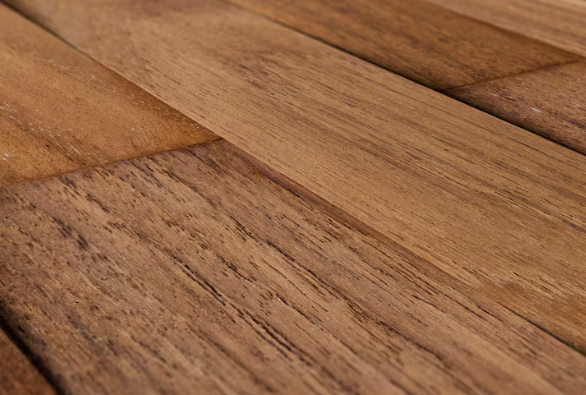
When it comes to flooring options, few materials rival the timeless appeal, durability, and sophistication of solid hardwood. For centuries, homeowners, architects, and interior designers have favored hardwood for its natural beauty, long lifespan, and the warmth it brings to a space. Unlike engineered or laminate flooring, solid hardwood is made from a single piece of wood, offering a depth and authenticity that is hard to replicate.
Understanding Solid Hardwood
Solid hardwood flooring is crafted from natural wood planks, usually ranging from 3/4 inch thick, made entirely of one species of wood. Each plank is carefully milled from a log, preserving the wood’s unique grain, texture, and color. Common species used for solid hardwood include oak, maple, cherry, hickory, and walnut. Each species has its characteristics—some are hard and durable, perfect for high-traffic areas, while others are softer, offering a more elegant look but requiring more care.
Unlike engineered hardwood, which is composed of multiple layers of wood bonded together, solid hardwood can be sanded and refinished multiple times, sometimes for decades, making it a long-term investment for homeowners.
Benefits of Solid Hardwood
1. Longevity and Durability
One of the most compelling reasons to choose solid hardwood is its durability. With proper care, solid hardwood floors can last 50 years or more. The thick, single-piece construction allows homeowners to sand and refinish the surface several times to remove scratches, dents, or signs of wear. This longevity is unmatched by many other flooring materials.
2. Natural Beauty
Every plank of solid hardwood is unique, with variations in grain, knots, and color. This natural variation adds warmth and character to any room. Hardwood also develops a patina over time, enhancing its beauty rather than diminishing it. Its versatility makes it suitable for both traditional and modern interiors, complementing furniture and décor in any style.
3. Increased Home Value
Installing solid hardwood can increase your home’s resale value. Potential buyers often view hardwood as a premium feature that combines aesthetic appeal with practical benefits. Unlike carpet or laminate, which may need frequent replacement, solid hardwood communicates durability and quality, making your home more attractive in the real estate market.
4. Improved Indoor Air Quality
Unlike carpets, which can trap dust, pollen, and allergens, solid hardwood is easy to clean and maintain. Regular sweeping and occasional refinishing prevent the buildup of debris and allergens, contributing to better indoor air quality. For families with allergies or asthma, hardwood flooring can be a healthier choice.
5. Timeless Appeal
While trends in interior design come and go, solid hardwood remains a classic choice. Its enduring style ensures that your flooring will never look outdated, regardless of evolving home décor trends. Whether you prefer a rustic, farmhouse look or a sleek, modern aesthetic, solid hardwood can adapt to suit your vision.
Choosing the Right Species
When selecting solid hardwood, the species of wood plays a crucial role in determining the floor’s appearance, hardness, and longevity. Here are some popular options:
- Oak: Oak is one of the most commonly used hardwoods due to its durability and beautiful grain patterns. Red oak has warm reddish tones, while white oak is more neutral.
- Maple: Maple features a fine, consistent grain and a light color, making it ideal for modern or minimalist interiors.
- Cherry: Cherry wood darkens naturally over time, offering a rich, elegant look.
- Hickory: Hickory is known for its strength and dramatic grain variations, adding a rustic charm.
- Walnut: Walnut has a deep, chocolate-brown color with striking grain patterns, perfect for luxurious spaces.
Each species has its hardness rating on the Janka scale, which measures resistance to wear and denting. Homeowners should choose a species based on the expected foot traffic and usage in each room.
Installation Considerations
Installing solid hardwood requires careful planning and precision. Unlike floating or engineered floors, solid hardwood is typically nailed or stapled to a subfloor, often made of plywood or concrete with proper underlayment. The process may require acclimating the wood planks to the room’s humidity and temperature for several days before installation to prevent warping or gapping.
Professional installation is recommended, as improper installation can lead to issues like cupping, buckling, or uneven surfaces. Once installed, the floor can be finished with stains, oils, or sealants to protect the wood and enhance its natural beauty.
Maintenance and Care
Proper maintenance ensures that solid hardwood floors remain beautiful for decades. Here are essential tips:
- Regular Cleaning: Sweep or vacuum frequently to remove dirt and grit that can scratch the surface. Use a soft-bristled broom or a vacuum with a floor-brush attachment.
- Avoid Excess Moisture: Wood is sensitive to water. Spills should be wiped promptly, and damp mopping should be avoided. Consider using area rugs in high-traffic or moisture-prone areas.
- Prevent Scratches: Place felt pads under furniture legs and avoid dragging heavy objects across the floor. High heels and pet nails can also damage the surface over time.
- Refinishing: Over the years, solid hardwood can be sanded and refinished to restore its original luster. Depending on wear, refinishing may be required every 10–20 years.
Sustainable and Eco-Friendly Choice
Many homeowners are choosing solid hardwood because it is a renewable resource. When harvested responsibly from sustainably managed forests, solid hardwood can be an environmentally friendly option. Additionally, because of its longevity, hardwood floors reduce the need for frequent replacements, contributing to less waste over time.
Common Myths About Solid Hardwood
Despite its benefits, some misconceptions about solid hardwood persist:
- “It’s too expensive.” While the upfront cost may be higher than laminate or vinyl, the longevity and ability to refinish make it more cost-effective in the long run.
- “It’s high maintenance.” With proper care, solid hardwood is easier to maintain than many people think.
- “It’s not suitable for kitchens or bathrooms.” While moisture can damage wood, properly sealed hardwood floors can perform well in kitchens and bathrooms if spills are managed promptly.
Solid Hardwood in Modern Interiors
Today, solid hardwood continues to evolve with design trends. Wide planks, matte finishes, and mixed-width layouts are increasingly popular, offering homeowners the ability to create a customized look. The natural wood tone can be left light for a modern, airy feel or stained darker for a dramatic, elegant statement.
Additionally, solid hardwood can be paired with radiant floor heating systems, providing warmth underfoot during colder months. This combination of comfort, style, and practicality makes hardwood an attractive choice for both traditional and contemporary homes.
Conclusion
Solid hardwood is more than just a flooring material—it is an investment in your home’s beauty, durability, and value. Its natural charm, long lifespan, and adaptability to diverse interior styles make it a standout choice for any homeowner. By choosing the right wood species, maintaining it properly, and installing it with care, you can enjoy the unmatched elegance of solid hardwood for decades. Whether you are renovating your home or building a new one, solid hardwood flooring offers a timeless solution that combines aesthetic appeal, practicality, and sustainability, ensuring your space remains beautiful for generations.

 Arabic
 French
 Spanish
 Portuguese
 Deutsch
 Turkish
 Dutch
Dutch
 Italiano
 Russian
 Romaian
 Portuguese (Brazil)
 Greek
Greek