
Reducing Failure Risks in Pipeline Isolation Systems
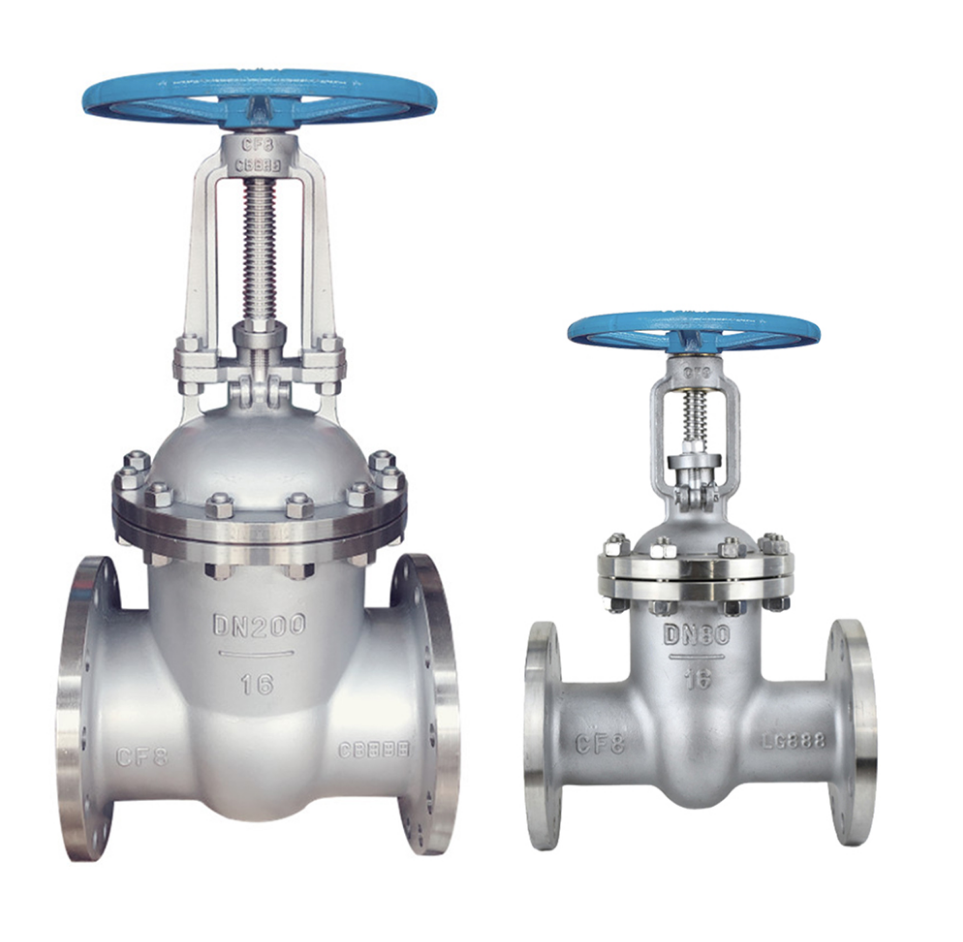
The reliability of pipeline systems depends heavily on the performance of isolation components such as the Industrial Gate Valve. Proper maintenance and selection significantly extend operational lifespan and reduce downtime risks.
Gate valves operate through linear stem movement that drives the gate up and down within the valve body. The stem thread pitch typically ranges from 2 mm to 6 mm, depending on valve size and torque requirements. This mechanical simplicity reduces internal wear compared to more complex valve types.
However, improper operation—especially partial opening—can lead to seat damage. Fluid velocity in partially opened valves may exceed 5–10 m/s, increasing erosion at sealing surfaces. For this reason, gate valves are strictly recommended for on/off service.
Routine maintenance includes lubrication of stem threads, inspection of packing seals, and torque verification. Packing materials such as graphite or PTFE are commonly used to maintain stem sealing integrity under pressures up to 40 bar.
Leak testing is typically performed using hydrostatic pressure methods at 1.5 times the nominal pressure rating. For example, a PN25 valve may be tested at approximately 37.5 bar.
In long-term industrial operation, corrosion protection is essential. Epoxy-coated valve bodies and stainless steel stems help extend service life in humid or chemically aggressive environments.
Industrial Gate Valve systems are valued for their durability, but correct installation alignment is also important to avoid stem bending stress, which can affect long-term sealing performance.

 Arabic
 French
 Spanish
 Portuguese
 Deutsch
 Turkish
 Dutch
Dutch
 Italiano
 Russian
 Romaian
 Portuguese (Brazil)
 Greek
Greek