
Is ER4943 Better Than Traditional Aluminum Fillers?
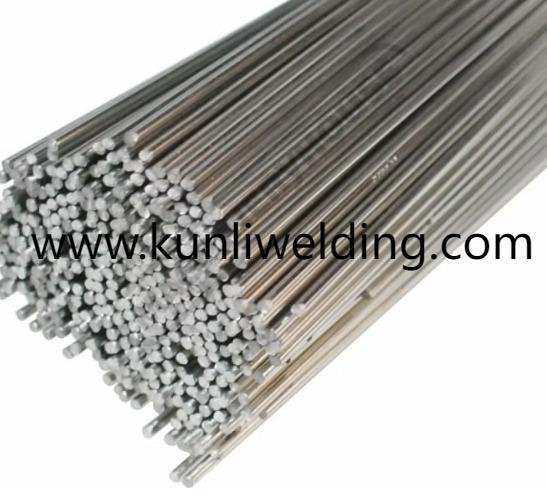
Modern fabrication challenges have prompted welding engineers to reconsider traditional filler metal selections for aluminum applications. Aluminum Welding Wire ER4943 has emerged as an alternative that addresses limitations found in conventional options, offering welders a different approach to joining dissimilar aluminum alloys and managing heat sensitive materials.
Traditional aluminum filler metals have served the industry reliably for decades, each designed to address specific welding scenarios. Conventional options typically contain either pure aluminum with minimal alloying elements or compositions heavily weighted toward silicon or magnesium. These established formulations work well within their intended application ranges but can present challenges when welders encounter base material combinations that fall outside these parameters.
The chemistry of newer filler options introduces balanced proportions of both silicon and magnesium, creating a composition that bridges gaps left by traditional choices. This balanced approach provides advantages when welding heat treatable alloys to non heat treatable materials, a combination that often presents difficulties with conventional filler metals. The ability to create sound joints across this material boundary expands fabrication possibilities for complex assemblies.
Cracking susceptibility represents a persistent concern in aluminum welding, particularly when joining materials with different thermal expansion characteristics or solidification behaviors. Traditional high silicon filler metals reduce hot cracking through improved fluidity but may sacrifice strength in the finished joint. Conversely, magnesium rich options provide strength but can increase cracking tendencies under certain conditions. Alternative formulations seek to balance these competing demands through careful compositional design.
Color matching after anodizing presents another consideration that affects filler metal selection. Fabricators producing components for architectural or decorative applications often require welds that blend visually with surrounding base material after surface treatment. Traditional options sometimes create noticeable color variations that require additional finishing operations. Newer filler metal chemistries address this concern by producing welds that respond more uniformly to anodizing processes across a broader range of base materials.
Weld pool characteristics during the welding process differ noticeably between filler metal types. Traditional silicon rich options create highly fluid pools that flow easily and wet base materials readily. While this fluidity benefits gap bridging and bead appearance, it can make position welding more challenging as the molten metal tends to sag or run. Alternative compositions modify this behavior, providing adequate fluidity for sound fusion while offering improved control for out of position applications.
Mechanical property requirements drive many filler metal decisions, as fabricators must ensure that welded joints meet strength and ductility specifications. Traditional options typically require welders to match filler metal strength to the weakest base material in the joint. This approach works reliably but may not fully utilize the strength potential of stronger base materials. Different filler chemistries can sometimes provide improved strength in certain joint configurations, allowing designers greater flexibility in material selection.
Porosity resistance varies among filler metal compositions due to differences in how molten aluminum interacts with hydrogen and other contaminants. Traditional options have established reputations for performance in this regard, developed through decades of field experience. Newer alternatives must demonstrate comparable resistance to gas porosity while potentially offering additional benefits in other performance areas.
Feeding characteristics through welding equipment affect productivity and ease of use. Wire stiffness, surface condition, and diameter tolerance all influence how smoothly filler metal feeds through torch liners and contact tips. Manufacturers of alternative compositions must ensure their products match the handling qualities welders have come to expect from traditional options while delivering the metallurgical benefits that justify their selection.
Base material compatibility extends beyond simple chemistry matching to include considerations of thermal conductivity, melting point, and oxide formation. Aluminum Welding Wire ER4943 and similar alternatives aim to perform across broader base material ranges than traditional options, reducing the number of different filler metals fabricators must stock and manage. This versatility simplifies inventory management and reduces the risk of using incorrect filler materials.
Welding parameter sensitivity differs among filler metal types, with some compositions offering wider acceptable ranges for heat input, travel speed, and shielding gas flow. Traditional options have well documented parameter windows developed through extensive use. Alternative formulations require welders to develop familiarity with how these materials respond to parameter variations, though manufacturers typically provide guidance based on qualification testing.
The decision between traditional and alternative filler metals ultimately depends on specific application requirements, base material combinations, and desired joint properties. Neither approach universally surpasses the other across all criteria. Instead, informed selection requires understanding the strengths and limitations of each option relative to fabrication objectives.
Fabricators seeking guidance on filler metal selection benefit from working with suppliers who maintain technical expertise across multiple product lines. Knowledgeable partners can recommend appropriate materials based on application details while providing support throughout implementation. For comprehensive information on filler metal options including Aluminum Welding Wire ER4943 and traditional alternatives, visit https://www.kunliwelding.com/ where technical knowledge meets manufacturing capability.

 English
 Arabic
 French
 Spanish
 Portuguese
 Deutsch
 Dutch
Dutch
 Italiano
 Russian
 Romaian
 Portuguese (Brazil)
 Greek
Greek