
Engineered for Safety and Comfort: Design of the Shower Faucet
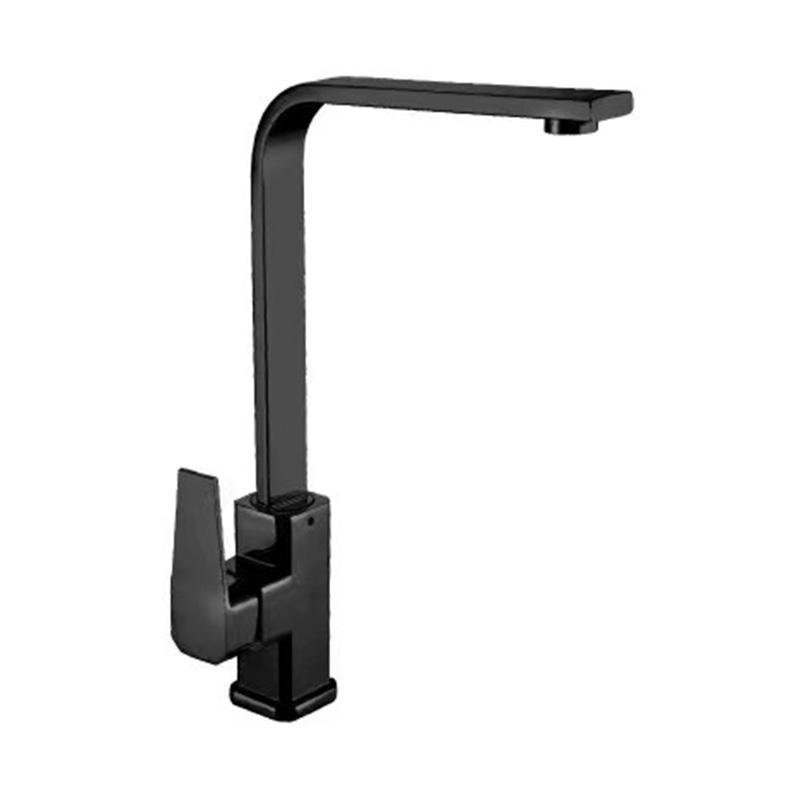
The design of a shower faucet prioritizes safety, durability, and precise hydraulic control within a compact assembly. At its heart is the mixing valve, which blends hot and cold water. Two primary technologies dominate: pressure-balancing valves and thermostatic valves. A pressure-balancing valve uses a piston or diaphragm that reacts to changes in inlet pressure, sliding to adjust the port openings and maintain a consistent mixed water temperature. A thermostatic valve incorporates a wax or liquid-filled thermal element that expands or contracts with temperature, mechanically adjusting the water mix to hold a user-selected setting with notable accuracy.
Beyond the valve, the shower faucet assembly includes trim components—the visible handles, escutcheon plates, and diverter valves. The trim not only defines the aesthetic but also interfaces with the cartridge. A diverter valve, either separate or integrated, directs water flow between different outlets, such as a fixed showerhead, a handheld wand, or body jets. Materials are chosen for longevity; valve bodies are typically brass, while trim pieces are finished in chrome, brushed nickel, or PVD coatings for resistance to moisture and corrosion. All internal components must withstand constant thermal cycling and water exposure.
Installation requires careful attention to plumbing codes and manufacturer specifications, particularly for ensuring proper hot and cold inlet orientation. The technical sophistication of the shower faucet directly translates to user safety and comfort. By integrating precise mechanical or thermostatic controls within a reliable housing, this fixture effectively manages one of the home's most important yet potentially hazardous resources: hot water.
 Italiano
 English
 Arabic
 French
 Spanish
 Portuguese
 Deutsch
 Turkish
 Dutch
Dutch
 Russian
 Romaian
 Portuguese (Brazil)
 Greek
Greek