
The Science of Enhanced Textiles: How Functional Yarns Are Created
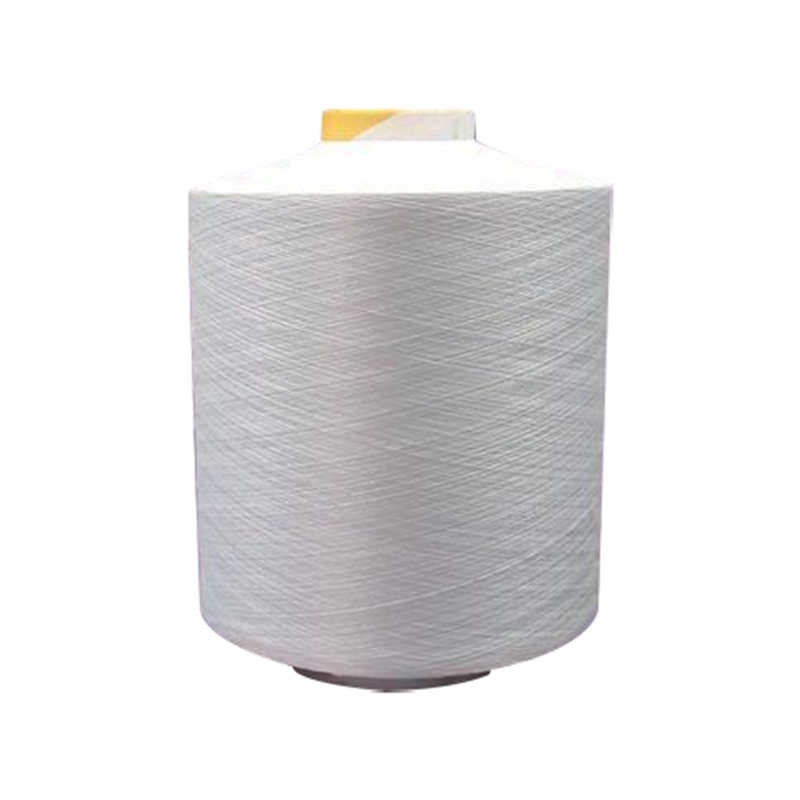
The manufacturing of Functional Yarns is a precise science that transforms standard textile fibers into high-performance materials. The process often begins at the polymer stage for synthetic fibers. Active agents, such as antimicrobial compounds, far-infrared ceramics, or conductive carbon particles, are uniformly dispersed into the polymer melt or solution. This mixture is then extruded through a spinneret to form filaments where the functional elements are embedded throughout the fiber's cross-section, ensuring the property is intrinsic and less likely to wash out. This method is effective for creating bulk properties like UV resistance or permanent odor control.
For natural fibers or existing yarns, functionalization typically occurs in the finishing stages. Yarns may be passed through baths containing nano-finishes, micro-encapsulated agents (e.g., vitamins, aloe vera, or insect repellents), or polymer coatings. Technologies like plasma treatment are also used to alter the fiber surface at a molecular level, improving dyeability, hydrophilicity, or creating sites for bonding other functional agents. These post-production treatments allow for a wide range of functionalities to be applied to diverse fiber types, from cotton and wool to polyester and nylon.
Ensuring the functionality survives the rigors of textile conversion and end use is a key challenge. Engineers must test for colorfastness, mechanical strength after treatment, and the longevity of the functional effect after repeated laundering and wear. The sophisticated engineering behind Functional Yarns bridges the gap between passive materials and active systems. By building performance directly into the yarn, these advanced materials provide reliable and durable solutions for applications in sportswear, medical textiles, protective clothing, and smart wearable technology.

 Arabic
 French
 Spanish
 Portuguese
 Deutsch
 Turkish
 Dutch
Dutch
 Italiano
 Russian
 Romaian
 Portuguese (Brazil)
 Greek
Greek