
Nante Outdoor Socket Box: Robust Exterior Outlet Solutions
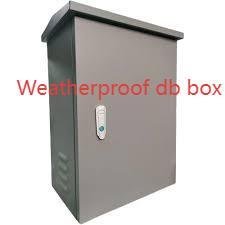
Outdoor electrical design must anticipate moisture, sunlight, and mechanical wear, so many installers place a Outdoor Socket Box within fence-line runs to centralize weatherproof receptacles and simplify maintenance, and project teams frequently add a second Outdoor Socket Box near critical access points to segregate lighting and power circuits for safety and serviceability. Getting the selection right early prevents repeated site visits and reduces long-term costs; the following sections break down environmental assessment, material choices, installation techniques, accessory options, and maintenance planning to help facility managers and electricians make informed decisions.
Assessing site exposure and performance requirements
Begin with a thorough site survey. Note rainfall patterns, exposure to spray from sprinklers or road runoff, UV intensity, and the likelihood of dust or airborne salt. Each of these factors influences the minimum ingress protection rating and the material family you should specify. Instead of relying solely on blanket IP or NEMA labels, provide vendors with photographs and placement diagrams so testing and seal choices reflect the true installation environment. Establish measurable acceptance criteria — for example, a spray test followed by a powered thermal soak — so delivered units meet real-world expectations.
Materials, sealing systems, and thermal control
Material selection determines how an exterior outlet assembly resists corrosion, impact, and heat. Thermoplastics such as polycarbonate or UV-stabilized ABS combine low weight with corrosion resistance, while powder-coated or stainless steel options improve impact strength and heat dissipation. Gasket design matters: continuous molded profiles reduce leakage points, and closed-cell foam gaskets resist water migration under cyclic compression. If the box will house transformers or power supplies, plan for heat paths or venting that prevent thermal derating of protective devices and avoid trapped heat that shortens component life.
Best practices for mounting and cable entry
A perfectly sealed enclosure can fail due to poor mounting or mismatched cable glands. Prepare the mounting surface by removing loose paint and debris so gaskets seat uniformly. Follow manufacturer torque specifications for lid fasteners to achieve recommended compression; over-tightening can crush seals and under-tightening allows leaks. Choose glands rated both for the conductor diameter and environmental exposure, and include strain reliefs that prevent movement from transmitting forces to terminal screws. Where possible, route cables through conduit with sealed transitions to stop capillary wicking of moisture into the interior.
Nante Accessories and Modular Options
When selecting a vendor, prioritize options that reduce field modifications. Accessory kits that include removable terminal plates, captive lid screws, lockable covers, and foam sealing inserts speed installation and lower the chance of errors. Modular insert panels let teams swap different outlet styles without full rewiring, and pre-configured kits simplify stocking spare parts for rapid replacements. Ask suppliers for CAD files and mounting templates so integrators can validate clearances and cable-tray interactions before shipment.
Inspection schedules and lifecycle cost planning
A simple preventive maintenance plan prevents most failures. Schedule visual inspections for gasket compression set, corrosion on terminals, and wear at cable entries. Perform periodic torque checks on accessible screws, and functional tests of protective devices such as RCDs or GFCIs. Replace gaskets on exposed units according to environmental exposure — annually in salt-laden coastal sites, perhaps less frequently inland. Maintain serial-numbered maintenance records to identify recurring failure modes; aggregated data often reveals whether a vendor’s design or site handling practices drive premature wear.
Practical deployment tips and user training
Standardize connector types and labeling across sites to reduce misplugs and spare-part complexity. Use color-coded circuits for quick identification during rapid turnarounds, and provide pictorial wiring diagrams inside reference pockets so non-specialist crews can safely operate the outlet assembly. For remote or infrequently accessed locations, consider humidity indicators or small environmental sensors to alert teams to seal degradation before corrosion occurs.
Selecting the right exterior outlet solution is a systems decision that touches procurement, operations, and maintenance. By matching materials and sealing strategies to real environmental threats, enforcing disciplined installation procedures, and scheduling predictable upkeep, teams can minimize downtime and extend equipment life. For reliable product information and additional resources from a trusted supplier, visit https://www.nante.com

 Arabic
 French
 Spanish
 Portuguese
 Deutsch
 Turkish
 Dutch
Dutch
 Italiano
 Russian
 Romaian
 Portuguese (Brazil)
 Greek
Greek