
Circuit Breaker Repair: Ensuring Safety and Reliability in Your Electrical System
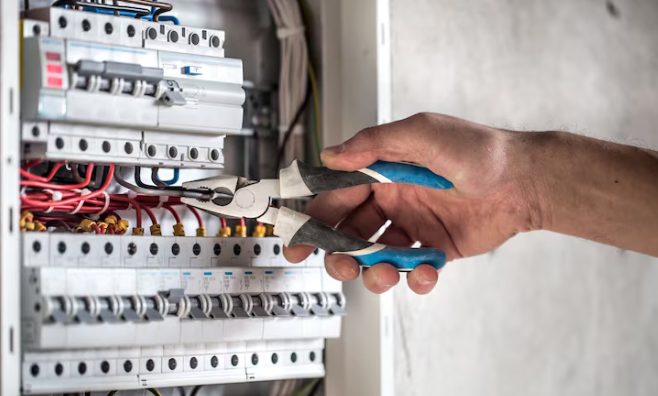
Electricity powers almost every aspect of our daily lives, from lighting our homes to operating critical appliances and electronics. However, with convenience comes responsibility, and one of the most vital components ensuring our electrical safety is the circuit breaker. Circuit breakers protect your home or business from electrical hazards by interrupting the flow of electricity when a problem occurs, such as an overload, short circuit, or ground fault. But what happens when the circuit breaker itself malfunctions? That’s where professional circuit breaker repair comes into play.
Understanding the Role of a Circuit Breaker
Before diving into repair strategies, it’s important to understand what a circuit breaker does. Essentially, a circuit breaker acts as a safety switch. It monitors the electrical current flowing through your system and “trips” or shuts off the flow if it detects irregularities. Without a functioning breaker, electrical issues could lead to fires, equipment damage, or serious injuries.
Over time, circuit breakers can wear out or fail due to various reasons, including age, frequent tripping, or poor installation. Homeowners and business operators may notice warning signs such as flickering lights, breaker panels that won’t reset, or burning smells near the panel. These signs indicate that a circuit breaker repair may be necessary to restore safety and functionality.
Common Causes of Circuit Breaker Problems
Circuit breaker issues often arise from one of several common causes:
- Overloaded Circuits: Constantly running more electrical devices than a circuit is rated for can cause repeated tripping, leading to weakened breakers.
- Short Circuits: When a hot wire touches a neutral or ground wire, a sudden surge occurs, potentially damaging the breaker.
- Aging Equipment: Circuit breakers are mechanical devices, and like all mechanical devices, they degrade over time.
- Loose Connections: Wiring that is not properly secured can cause arcing, overheating, and failure of the breaker.
- Environmental Factors: Exposure to moisture, dust, or corrosion can negatively affect breaker performance.
Recognizing the underlying cause is crucial because a simple replacement may not solve the problem if the root cause, such as faulty wiring, remains unaddressed.
Signs You Need Circuit Breaker Repair
Knowing when to schedule a circuit breaker repair can prevent more serious issues down the line. Common indicators include:
- Frequent tripping of a breaker without an apparent cause.
- Breakers that won’t reset after tripping.
- Burning or unusual odors coming from the breaker panel.
- Sparks, smoke, or visible damage in or around the breaker.
- Buzzing sounds coming from the breaker panel.
If any of these signs appear, immediate action is necessary. Continuing to ignore a faulty breaker can lead to extensive damage to your electrical system and even pose a serious fire hazard.
DIY vs. Professional Repair
While some electrical tasks can be handled by skilled homeowners, circuit breaker repair is generally not recommended as a DIY project. The risks of electrical shock or improper repair are significant. A professional electrician has the training and tools necessary to safely diagnose and repair breaker issues.
Professional circuit breaker repair involves a thorough inspection of the breaker panel, wiring, and connected circuits. Electricians may test breakers for continuity, check for loose connections, or identify corrosion or other damage. In some cases, the breaker can be repaired, while in others, replacement is the safer and more reliable option.
The Circuit Breaker Repair Process
A typical professional circuit breaker repair process includes several key steps:
- Initial Inspection: The electrician examines the panel and surrounding wiring to identify any obvious damage or signs of wear.
- Testing and Diagnosis: Using specialized tools, each breaker is tested for proper function. This helps determine whether the breaker can be repaired or needs replacement.
- Repair or Replacement: If repairable, worn components within the breaker are fixed. If replacement is necessary, the electrician installs a new breaker of the correct type and rating.
- System Check: After repair or replacement, the electrician tests the entire circuit to ensure that it operates safely and efficiently.
- Preventive Advice: Professionals may offer guidance on how to prevent future breaker issues, such as avoiding overloaded circuits or scheduling regular electrical inspections.
Choosing the Right Electrician
Not all electricians are equally experienced in breaker repair. When selecting a professional, consider the following:
- Licensing and Certification: Ensure the electrician is licensed and has experience with breaker panels.
- Reputation: Look for reviews, references, or recommendations from previous clients.
- Safety Standards: Verify that the electrician follows all national and local electrical codes.
- Service Range: Some electricians specialize in residential or commercial systems, so choose one suited to your needs.
Hiring a qualified professional ensures that the repair is performed safely and reduces the risk of recurring problems.
Preventing Future Circuit Breaker Issues
Preventive measures can extend the life of your circuit breakers and improve overall electrical safety:
- Avoid Overloading Circuits: Spread electrical loads across multiple circuits rather than overloading a single breaker.
- Regular Inspections: Schedule periodic checks of your breaker panel and electrical system.
- Keep the Panel Clean: Ensure the breaker panel is free from dust, moisture, and debris.
- Upgrade Old Panels: Older panels may not meet modern electrical demands; upgrading can prevent frequent breaker issues.
- Use Quality Equipment: Invest in breakers and electrical components from reputable manufacturers.
By adopting these practices, you can reduce the likelihood of needing emergency repairs and maintain a safer, more reliable electrical system.
The Importance of Timely Circuit Breaker Repair
Electrical issues often worsen with time. A malfunctioning breaker can cause repeated trips, leading to equipment damage or unsafe conditions. Prompt circuit breaker repair not only ensures the safety of your home or business but also protects your appliances and electronics. Moreover, addressing breaker problems early can save significant repair costs in the long run.
Conclusion
Circuit breakers are the unsung heroes of any electrical system, safeguarding lives and property from dangerous electrical faults. When a breaker fails or shows signs of malfunction, timely repair is essential. Professional circuit breaker repair ensures that your electrical system continues to operate safely, efficiently, and reliably. By understanding the causes, recognizing the warning signs, and relying on qualified electricians, you can protect your home, business, and loved ones from electrical hazards. Remember, when it comes to electricity, safety should always be the top priority.

 English
 Arabic
 French
 Spanish
 Portuguese
 Deutsch
 Turkish
 Dutch
Dutch
 Italiano
 Romaian
 Portuguese (Brazil)
 Greek
Greek