
Understand Shangfeng 230V Industrial Plug Types for Various Industrial Equipment Needs
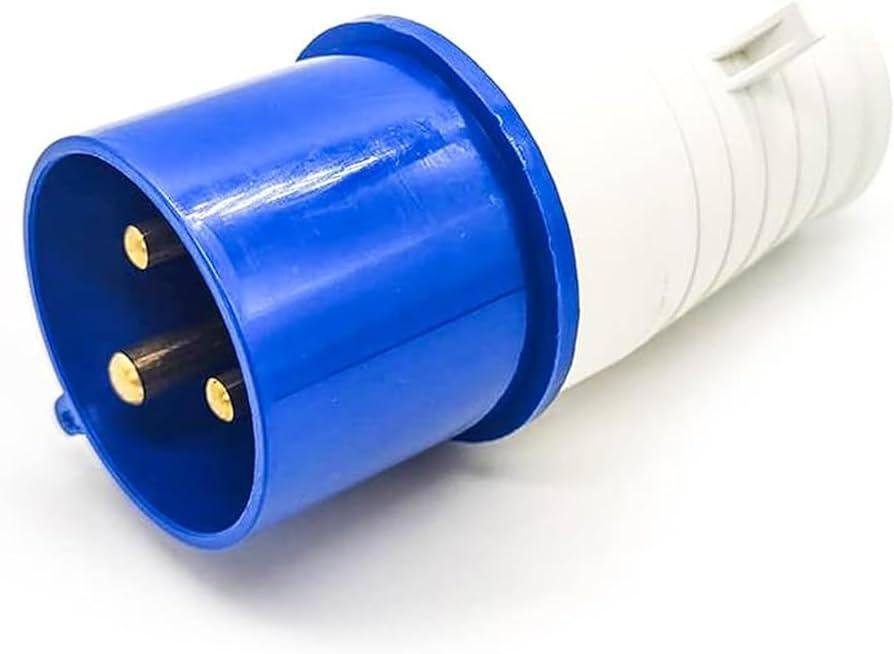
A 230V Industrial Plug serves as a standard connector in many electrical setups across industrial facilities. This type of plug supports equipment that operates on 230V power networks commonly found in various regions. Knowing the specific models helps users match connectors with their machinery and power systems effectively.
When people ask what model a 230V plug represents, the answer often points to standardized industrial connectors built for higher power applications. These plugs typically follow common configurations such as IEC 60309 or similar series, which define pin arrangements, voltage ratings, and current capacities. A typical 230V version features three or five pins, including a dedicated earth pin for grounding safety. The housing provides mechanical strength to handle repeated connections in workshops, factories, and outdoor sites.
Models in the 230V range usually carry current ratings between 16A and 32A, depending on the equipment load. The 16A variant suits lighter machinery like small pumps or portable tools, while the 32A option supports devices with greater power draw such as compressors or larger motors. Pin patterns differ by voltage and frequency to prevent accidental insertion into mismatched outlets. For single-phase 230V systems, the configuration often includes live, neutral, and earth pins arranged in a circular layout with a keyway for alignment.
The physical design of these plugs includes a robust outer shell made from impact-resistant materials that tolerate dust, occasional splashes, and temperature variations in working environments. A locking mechanism on many models secures the plug to the socket during operation, reducing the chance of disconnection caused by vibration from nearby equipment. Color coding on the housing helps workers identify the voltage rating at a glance—blue for 230V in many standard systems—allowing quick selection during setup or maintenance.
In practice, 230V industrial plugs appear in manufacturing plants where they connect conveyor belts, assembly stations, and processing machines. Construction teams use them with generators and power distribution boxes on job sites. Warehouses rely on these connectors for charging stations and material handling equipment. Each application benefits from the plug’s ability to deliver steady current without excessive heat at the contact points when properly matched to the cable and circuit.
Selection of the right model involves checking the equipment nameplate for voltage and amperage requirements. Users then choose a plug with matching ratings and the correct pin count for single-phase or three-phase supply. Installation requires attention to cable gland size to ensure a secure fit and proper strain relief. Regular visual checks on pins and insulation help maintain reliable performance over time.
Many 230V models offer modular components, allowing replacement of individual parts such as the cable entry or contact assembly if wear occurs. This feature supports continued operation in facilities where downtime affects productivity. Training personnel on correct insertion angles and locking procedures further contributes to longer service intervals between replacements.
Compatibility across brands remains a practical advantage due to adherence to international standards. A 230V Industrial Plug from one manufacturer often mates safely with sockets from another, provided the voltage, current, and pin configuration align. This standardization simplifies inventory management for large projects and allows facilities to source replacements without waiting for specific suppliers.
Understanding different models also clarifies environmental suitability. Some versions carry higher ingress protection ratings suitable for areas with more dust or moisture exposure, while standard models handle typical indoor industrial conditions. The choice depends on the location and type of machinery in use.
Facilities that incorporate these plugs into their electrical planning report smoother integration when expanding production lines or adding new equipment. The connectors allow straightforward connections without extensive rewiring in many cases. Maintenance teams value the clear markings and straightforward design that speed up routine inspections.
The topic of 230V plug models frequently arises during equipment upgrades or when relocating machinery between sites with similar power infrastructure. Clear knowledge of pin layouts and ratings prevents mismatches that could interrupt operations or require additional adapters.For detailed specifications on available 230V industrial plug models and guidance on selecting the suitable version for your setup, visit https://www.socketsfe.com/.

 English
 Arabic
 Spanish
 Portuguese
 Deutsch
 Turkish
 Dutch
Dutch
 Italiano
 Russian
 Romaian
 Portuguese (Brazil)
 Greek
Greek