
Specifying PEX Pipe Fittings for Gas Lines
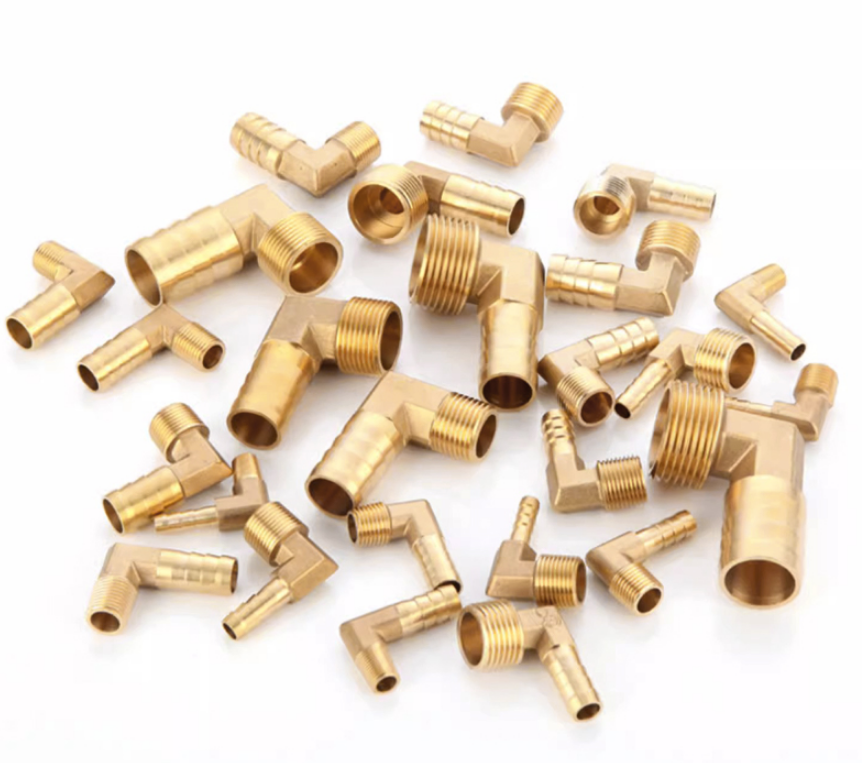
When engineers specify piping for oil and gas producing applications, the conversation usually shifts toward steel or HDPE. However, crosslinked polyethylene (PEX) has carved a specific niche in gathering lines and fuel gas distribution, thanks to standards like ASTM F2905. While PEX Pipe Fittings are common in residential water lines, the industrial variants are designed to handle operating temperatures ranging from -50°C to 110°C, making them suitable for harsh above-ground and buried environments.
The key distinction for gas services is the joining method. Unlike water systems where crimp rings dominate, gas-rated PEX Pipe Fittings often rely on electrofusion or specialized mechanical couplings. Electrofusion fittings contain embedded heating coils. After inserting the pipe ends into the fitting, a control box sends current through the coil, melting the polyethylene interfaces together. This creates a monolithic, leak-proof joint that resists the thermal cycling common in gas compression stations. Furthermore, standards such as CSA B137.19 outline specific requirements for PEX used in gas mains, mandating testing for slow crack growth resistance—a critical factor for long-term reliability under soil stress.
Working with PEX in this context also solves a corrosion issue. Steel fittings rust; copper can react with certain gas impurities. However, the polymers used in high-grade PEX Pipe Fittings are inert. They do not require cathodic protection or heavy coatings. For operators dealing with "sour" gas or wet gathering lines, this chemical resistance significantly reduces maintenance intervals.
That said, installers must respect the dimension ratios. PEX tubing for gas typically has a standard dimension ratio (SDR) of 9 or 11, indicating the wall thickness relative to the diameter. A lower SDR means a thicker wall, capable of handling the mechanical stress of backfilling. When transitioning from PEX to steel at the riser, approved transition fittings are required. These often include a steel nipple molded into the PEX end, allowing a welder to attach the metal line without damaging the plastic housing. Properly installed, these systems offer a lower total cost of ownership compared to all-steel assemblies, primarily due to the flexibility of the pipe reducing the need for directional boring fittings.
 Spanish
 English
 Arabic
 French
 Portuguese
 Deutsch
 Turkish
 Dutch
Dutch
 Italiano
 Russian
 Romaian
 Portuguese (Brazil)
 Greek
Greek