
Why Is Hengqi Iml Mould Used In Modern Packaging Solutions
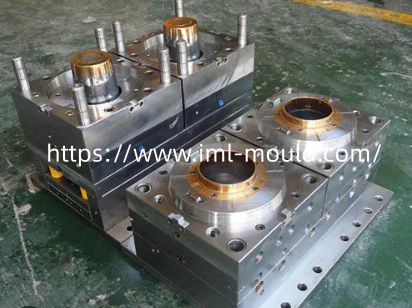
Iml Mould plays an important role in modern packaging by combining product shaping and label application into a single manufacturing step. This approach allows packaging producers to integrate visual design directly into the container during the injection process, rather than applying labels afterward.
The working principle involves placing a pre printed label inside the cavity before molten plastic is injected. As the material fills the space, it bonds with the label surface under controlled temperature and pressure. Once the part cools and is released, the label becomes a permanent part of the container. This method helps create a clean and consistent appearance without requiring additional labeling steps.
One of the key advantages of this process is improved efficiency. By eliminating separate labeling operations, manufacturers can streamline production workflows and reduce handling time. This can be particularly useful in high volume packaging environments where consistent output is required. At the same time, it helps minimize alignment issues that may occur when labels are applied after forming.
Another important aspect is durability. Since the label is integrated into the surface during production, it is less likely to peel or shift during use. This makes it suitable for products that are exposed to moisture, friction, or frequent handling. Packaging used for food containers, cleaning products, and household items often benefits from this type of construction.
Design flexibility also plays a role in its adoption. Labels can include detailed graphics, colors, and textures that align with branding requirements. Because the design is applied during the forming process, it maintains a consistent position on every unit. This helps manufacturers achieve uniform presentation across large production batches.
Material compatibility is an important factor when using this method. The label and the plastic material must work together under processing conditions to ensure proper bonding. Factors such as temperature resistance, surface treatment, and thickness need to be considered during design and production planning. Careful coordination between these elements helps achieve stable results.
In addition, tooling design directly influences the success of the process. Proper cavity structure, label placement systems, and cooling design all contribute to consistent performance. Manufacturers often refine these details through testing and adjustment to meet specific product requirements.
Hengqi focuses on developing solutions that support integrated packaging production. By combining practical design approaches with controlled manufacturing processes, Hengqi provides options that align with different industry needs. Attention to detail in both tooling and process planning helps support reliable output across various applications.
As packaging demands continue to evolve, methods that combine efficiency and visual consistency are gaining attention. Integrated labeling is one such approach that aligns with these expectations. For more information about available products and application support, visit https://www.iml-mould.com/product/ to explore current solutions and capabilities.
 Italiano
 English
 Arabic
 French
 Spanish
 Portuguese
 Deutsch
 Turkish
 Dutch
Dutch
 Russian
 Romaian
 Portuguese (Brazil)
 Greek
Greek