
Is Heat Transfer Film a Sustainable Textile Solution?
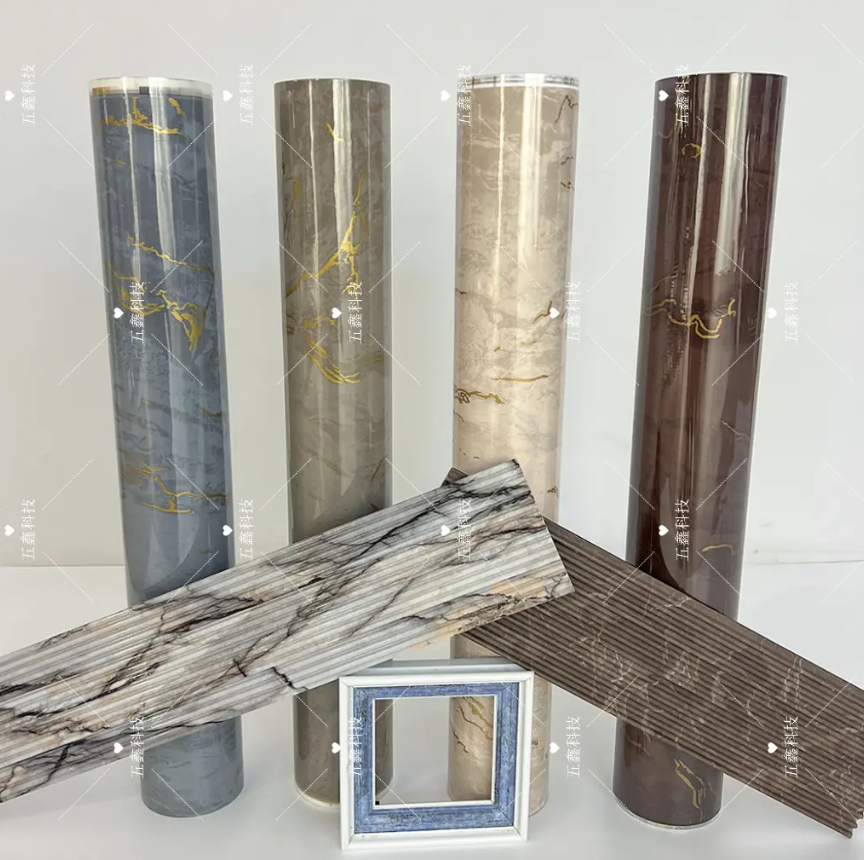
Environmental concerns in textile manufacturing are driving changes in material selection, production methods, and finishing technologies. Traditional decoration methods such as solvent printing and stitched labels generate waste, require high energy input, or involve non-recyclable components.
Eco-oriented developments in Fabric-textured heat transfer film systems aim to reduce environmental impact while maintaining functional performance. These improvements focus on lower processing temperatures, solvent-free adhesives, and recyclable carrier materials.
1. Sustainable Material Composition
Modern eco-friendly film systems typically include:
Recyclable PET carrier substrates
Solvent-free polyurethane adhesive layers
Low-VOC hot melt bonding systems
Water-based coating compatibility layers
Typical physical parameters:
Total thickness: 150–280 microns
Activation temperature: 120°C – 150°C (energy-saving range)
Elastic recovery: 85%–95% after deformation
Lower processing temperature reduces energy consumption in mass production lines.
2. Environmental Impact Reduction Factors
Several environmental benefits are associated with advanced film systems:
Reduced volatile organic compound (VOC) emissions during coating and activation
Lower energy usage compared to high-temperature PVC alternatives
Reduced textile waste from misalignment or printing errors
Cleaner production workflow with minimal liquid chemical usage
PET carrier films used in these systems can often be partially recycled depending on industrial waste handling infrastructure.
3. Application in Sustainable Fashion Systems
Sustainable apparel manufacturers are increasingly adopting these films for:
Organic cotton garment branding
Recycled polyester clothing decoration
Limited-run eco-conscious collections
Packaging textiles and reusable fabric goods
The fabric-textured surface allows visual integration with natural fibers, reducing the need for glossy synthetic finishes that conflict with eco-friendly aesthetics.
4. Energy Efficiency in Production
One of the most important sustainability advantages lies in reduced thermal demand.
Typical improvements include:
Lower press temperature requirements (down from 160°C to ~130°C in some systems)
Shorter press cycle times
Reduced heat loss in continuous production lines
Lower rejection rates due to controlled adhesive flow
These factors contribute to reduced energy consumption per unit produced.
5. Circular Economy Compatibility
Although full biodegradability is still limited in most polymer-based systems, improvements include:
Cleaner separation of carrier films from textile substrates
Reduced contamination of textile recycling streams
Compatibility with mechanical recycling processes
Development of partial bio-based PU formulations
Future development trends aim to increase recyclability and reduce dependence on petroleum-based polymers.
6. Industry Development Direction
The evolution of Fabric-textured heat transfer film aligns with several global manufacturing trends:
Shift toward low-impact garment decoration systems
Expansion of digital-on-demand textile production
Reduction of water-intensive printing processes
Integration of recyclable packaging and labeling systems
These shifts are influencing both large-scale manufacturers and small-batch customization studios.
Conclusion
Eco-focused heat transfer film technologies represent a transitional step toward more sustainable textile production systems. By reducing energy demand and improving material efficiency, fabric-textured systems provide a balanced solution between environmental responsibility and industrial performance.
 Spanish
 English
 Arabic
 French
 Portuguese
 Deutsch
 Turkish
 Dutch
Dutch
 Italiano
 Russian
 Romaian
 Portuguese (Brazil)
 Greek
Greek